
Celebrating National Public Safety Telecommunicators Week
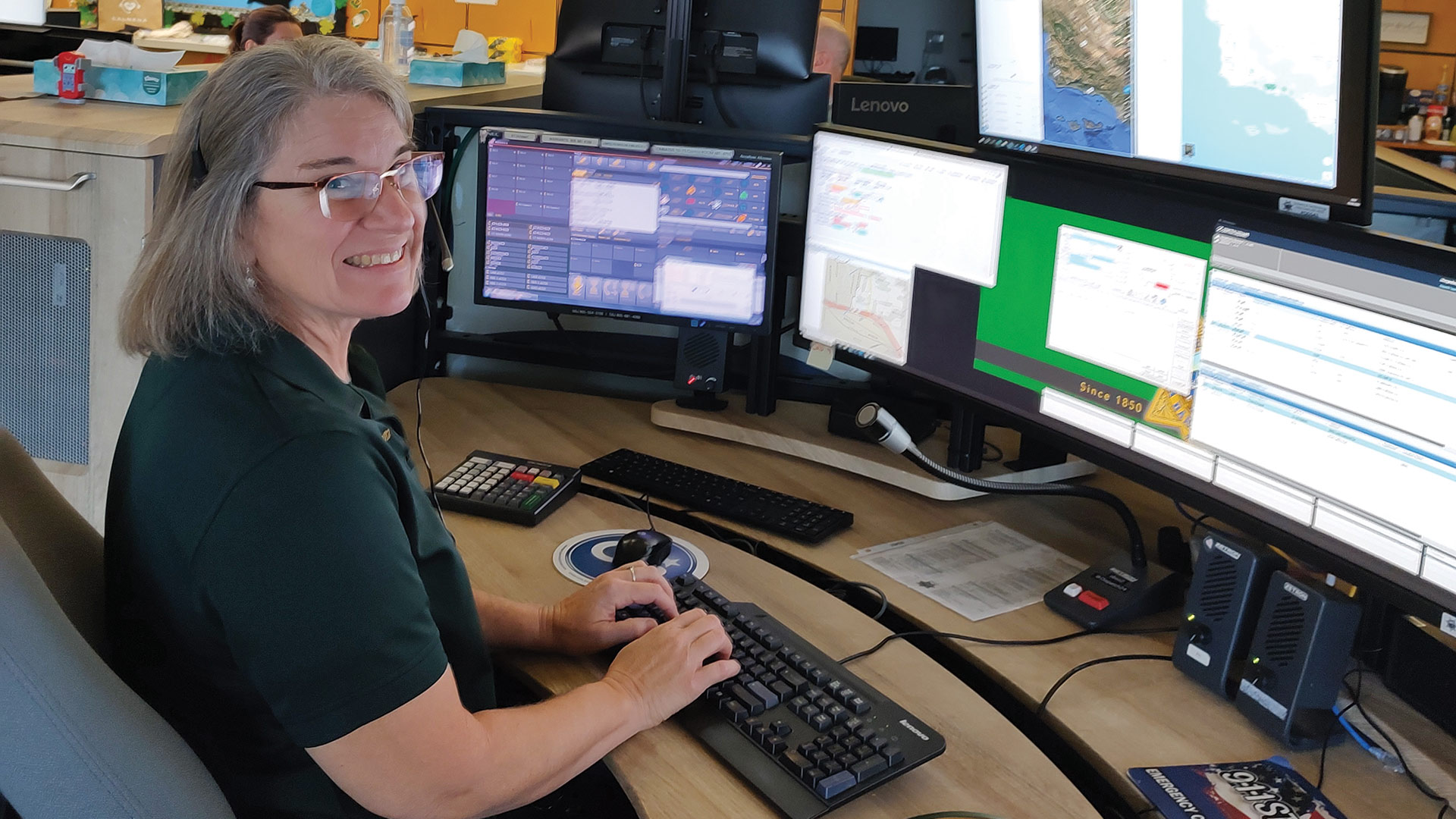
During the second week of April each year, the law enforcement community celebrates National Public Safety Telecommunicators Week to recognize the critical work of dispatchers and operators and their contributions to the profession. The event began in 1981, when veteran dispatcher Patricia Anderson of the Contra Costa County Sheriff’s Office sought to formally recognize her colleagues and shine a light on the often unseen work of telecommunicators. As more agencies began participating in the observance each year, it gained momentum nationwide. In 1994, President Bill Clinton signed Proclamation 6667, officially recognizing the observance at the federal level.
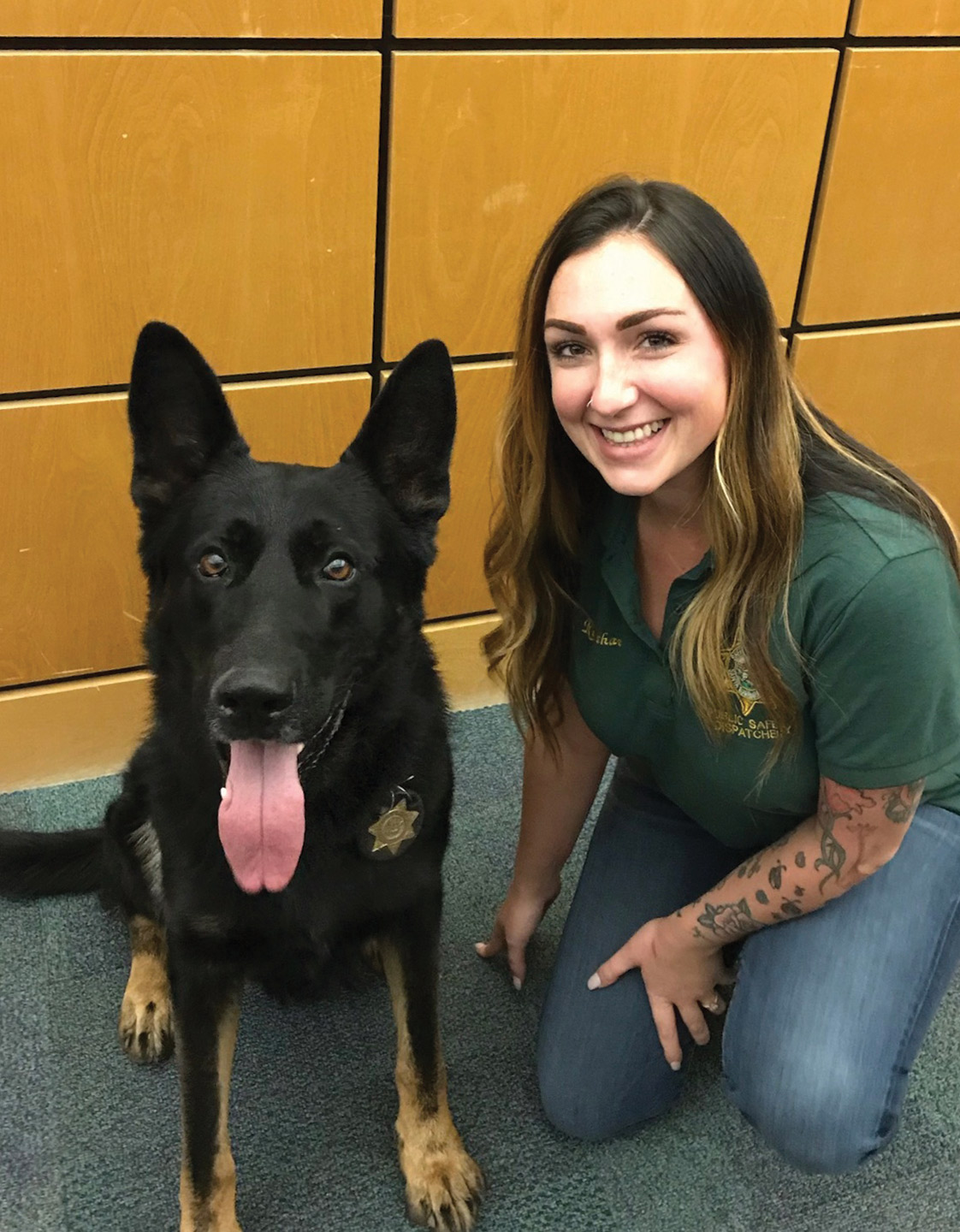
In honor of the commemorative week, taking place April 12–18, PORAC is proud to feature two dispatchers with the Santa Barbara County Sheriff’s Office and Santa Barbara County Deputy Sheriffs’ Association: Dispatch Supervisor Shannon Hoogenbosch, a 27-plus-year veteran who has been a PORAC member since 1999, and Tactical Dispatcher/Dispatcher II Angelena Flick, a nearly 14-year veteran and a PORAC member since 2012. Here, they share their career experiences and insights into the sometimes unsung heroes of the profession.
Hoogenbosch’s decision to pursue a law enforcement career was shaped by a traumatic experience in junior high school, when a friend was killed by a drunk driver. Wanting to help prevent similar tragedies, after high school she went on to earn a B.S. in law enforcement, complete both the police and dispatch academies, and, more recently, graduate from the Sherman Block Supervisory Leadership Institute program and receive her POST Public Safety Dispatcher Supervisory certificate.
As a dispatch training supervisor, Hoogenbosch carries a wide range of responsibilities. These include ensuring staff are trained on new products and systems that enhance the Dispatch Center’s efficiency, staying current with policies and procedures, meeting POST and Emergency Medical Dispatching (EMD) training requirements, assisting new training officers or supervisors, addressing staff deficiencies through remedial training or counseling, and serving as a mentor.
Training for dispatchers is essential, attests Flick, who says that they must be skilled, active listeners who can quickly process information and convey concise, accurate details to field responders. “To be a good dispatcher, you need to be able to multitask, communicate with the public, have problem-solving skills and the heart to want to help in whatever way you are able,” says Flick, who was inspired to enter the profession after her brother became a firefighter for the Ventura County Fire Department.
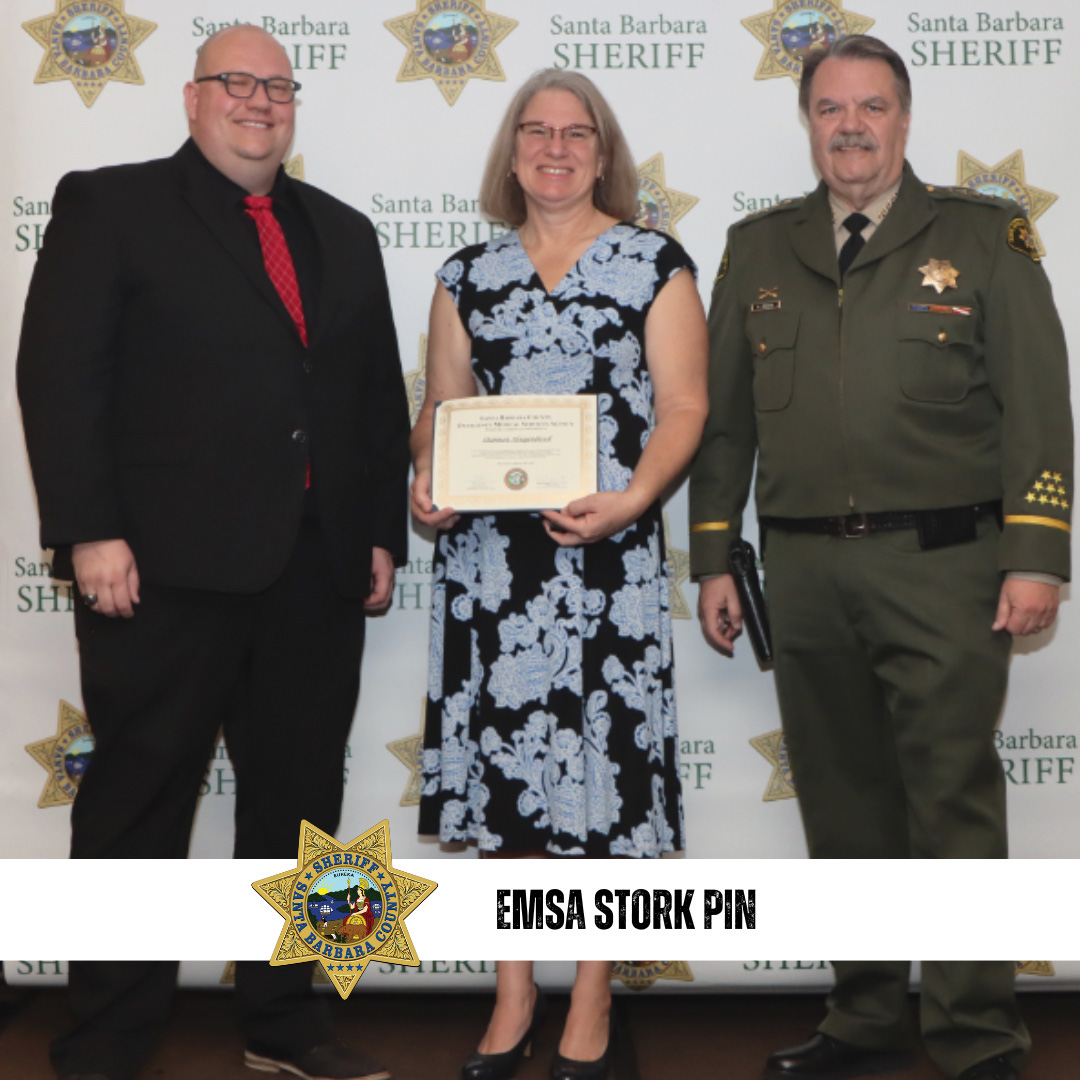
Sheriff Bill Brown during a 2025 awards ceremony (Photo courtesy of Shannon Hoogenbosch and Angelena Flick)
Hoogenbosch further describes a dispatcher’s duty as “painting a picture of what the caller is relaying.” Calls often hinge on their ability to ask the right questions and rapidly assess the full scope of a situation. They must first determine whether the caller needs police, fire, medical or mental health assistance and identify the appropriate jurisdiction. Once that is established, they either transfer the caller to the correct agency or handle the call themselves, gathering key information such as the location, caller details, scene safety, parties involved, any alcohol or substance use and the reason for the call.
“Daily, a dispatcher rides an emotional rollercoaster and must be able to handle emotional callers and not let personal emotions interfere,” Hoogenbosch adds. “An enormous amount of responsibility to protect citizens and field responders lies on the shoulders of dispatchers, and they must be able to handle the stress of the job while making split-second decisions, be able to talk on the radio and speak to a caller on the phone simultaneously, and answer a co-worker’s question while having to maintain composure.”
Because of the fast-paced nature of the job and constant pressure, Hoogenbosch says dispatchers can struggle to manage stress during long shifts and extended hours. Time away from family and lengthy work commutes further complicate maintaining a healthy work–life balance. Flick notes that some of the hardest parts of the job are keeping calm under intense situations and managing her own expectations, specifically “feeling like I could have done more to help someone when the ending is not so nice.” She adds, “Not carrying the weight of a previous call when taking another call is difficult as well. The mind shift necessary to help the next person can be taxing and extremely emotional sometimes.”
Despite these demands, Hoogenbosch and Flick agree that serving the community makes the challenges worthwhile. “Knowing that you made a difference in a person’s life by listening, being able to give CPR or childbirth instructions and knowing they were successful; having the ability to calm a caller down and make the situation less frightening; talking someone out of suicide; and having a close-knit group of co-workers who will have each other’s back when things go south, be it at work or at home,” Hoogenbosch shares of what she loves most about her work.
Likewise, Flick says, “knowing I had a hand in getting help to someone who is potentially having the worst day of their life gives me fulfillment. If I can say I had any part in easing the pain for someone else, I am fulfilled in my job.”
Regarding misconceptions about the role of dispatchers, Hoogenbosch hopes people recognize that they are not all “ice kings and queens.” They have emotions, are fiercely dedicated to the public safety mission and want every field unit to be safe. “Dispatchers are the true first responders. They are the ones who take the calls that are dispatched. They are the ones who calm the chaos, organize a response and gather the information so that field crew make it home at the end of their shifts,” Hoogenbosch remarks. “Individually or as a group, they can handle anything thrown at them because that is what they do.”
Flick adds that not every dispatch center resembles those seen on television or in movies. “The capabilities we have a lot of the time do not meet what people expect, and that is strictly based on what they have seen on a screen,” she explains. “Even within our own Department, dispatchers are multitalented and always find a way to get the job done, no matter the task at hand. But it is not as easy as our co-workers might imagine it to be for us.”
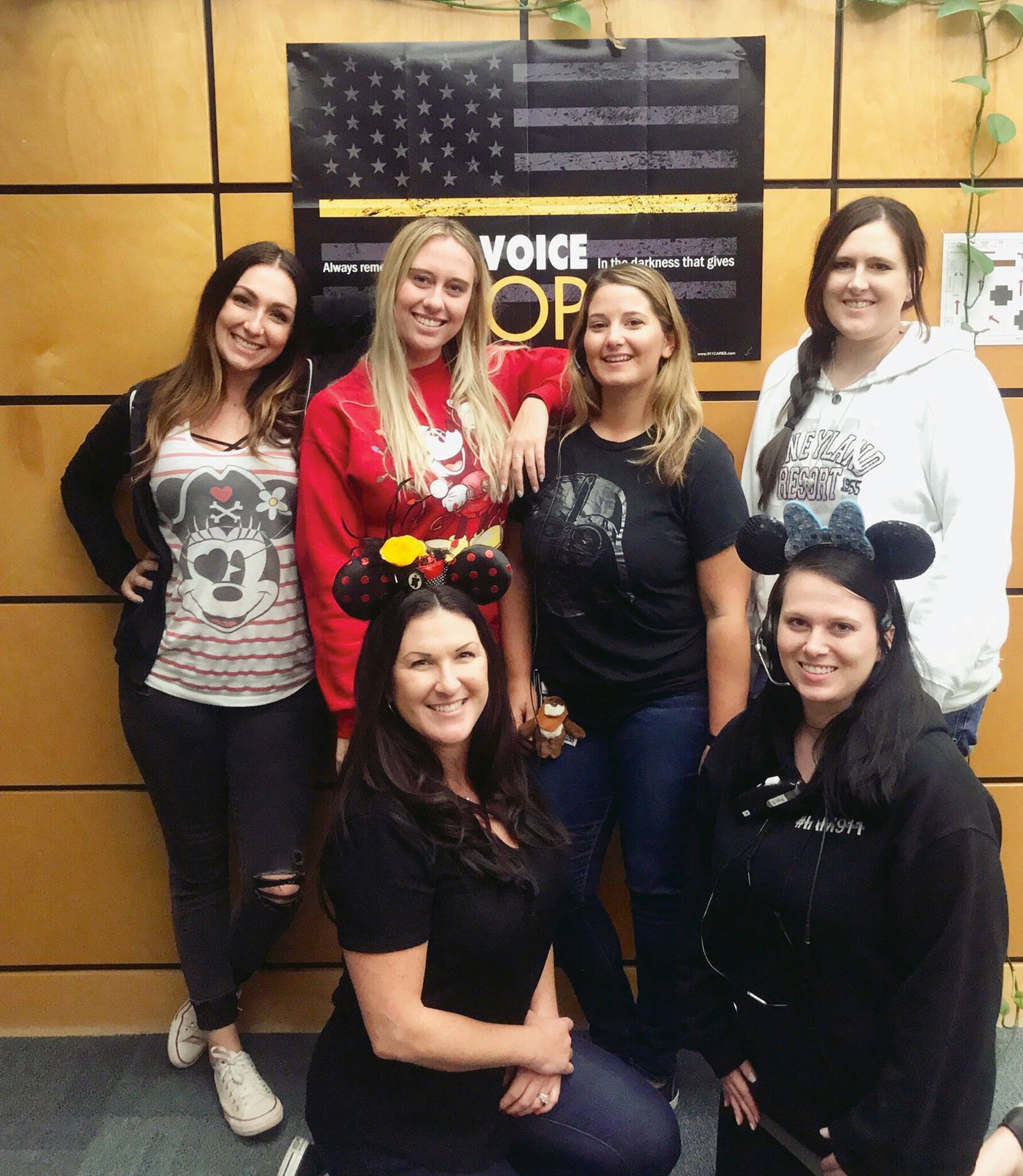
During National Public Safety Telecommunicators Week, the Santa Barbara County Sheriff’s Office shows appreciation for dispatchers with hosted lunches, dinners and gifts. Year-round, recognition continues through a monthly themed “kudos board” in the Dispatch Center and themed days, giving staff the chance to show spirit, participate in dispatch-related activities or dress up. “On the board, we write down whatever we are thankful for with our co-workers or give them credit for something they did while at work,” Flick says. “Whether on a professional or personal level, seeing those messages for all to read makes a difference in morale.”
In her final remarks to PORAC members, Hoogenbosch says: “Be sure to say thank you or tell a dispatcher that you appreciate them and the tough job they do, in person or at the end of a phone call. They are often the forgotten ones, but the most important ones.”
“Keep going,” Flick adds. “What we do at our jobs is not easy and not just anybody can do it. There is a reason we all became the job titles we did, and I hope it makes you truly happy at the end of the day. You matter.”