
The Past, Present and Uncertain Future of Drone as First Responder Programs
MANNY SALAZAR
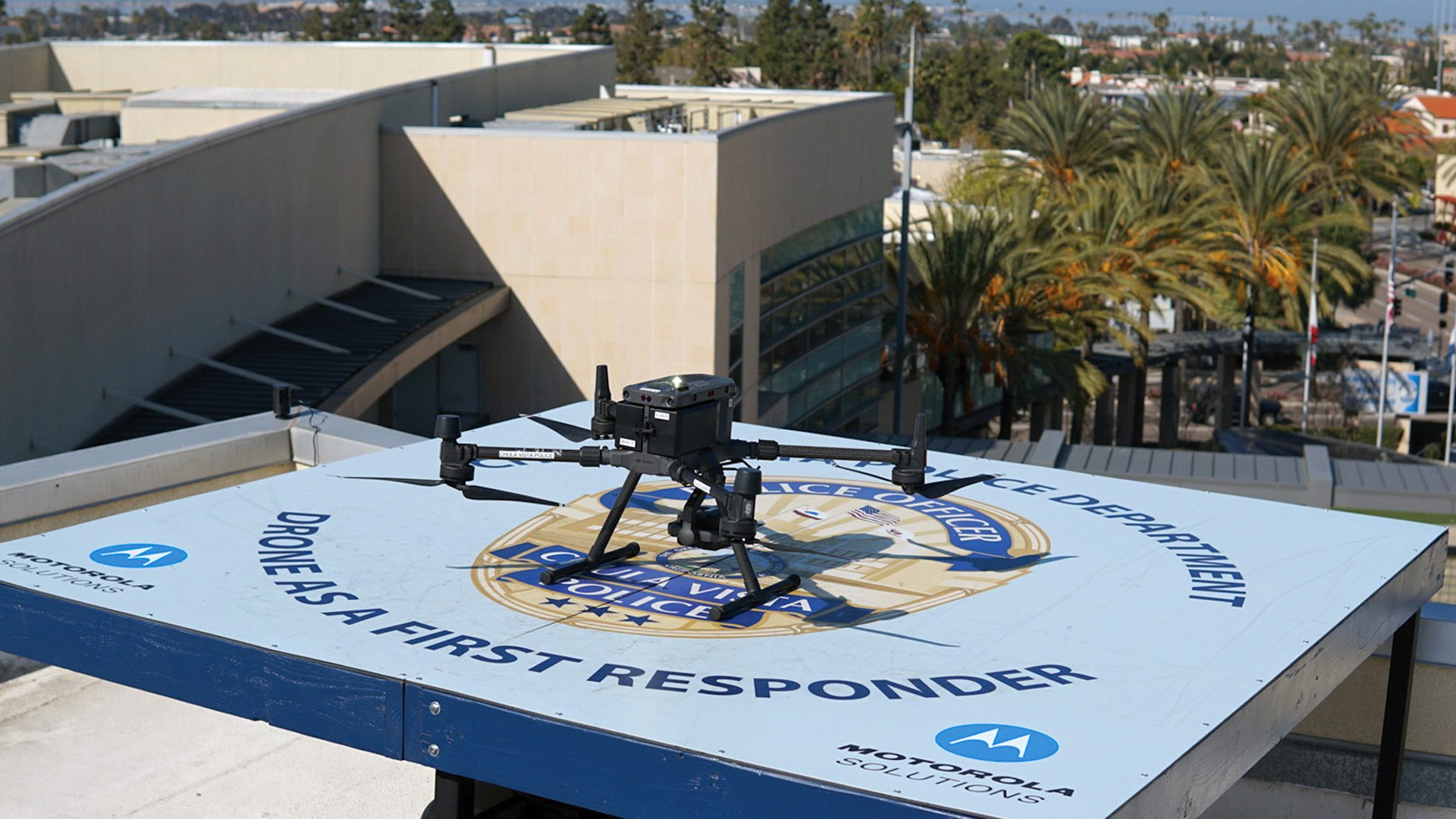
The Chula Vista Police Department is widely recognized within the law enforcement and unmanned aircraft community as the first true Drone as First Responder (DFR) program in the world. However, since the program’s inception in 2018, the DFR landscape has evolved significantly. Advancements in equipment, software and supporting hardware have progressed rapidly, resulting in substantial improvements in capability and performance.
The Federal Aviation Administration (FAA) has had great success in incorporating drones into the national airspace and has taken further steps to standardize and streamline waiver processes for agencies obtaining Certificates of Waiver (COW), leading to faster review and approval timelines. With the waiver process more streamlined, more agencies are adopting and implementing DFR programs at a staggering rate.
From 2018 through 2024, only 50 established DFR programs nationwide applied for Certificates of Authorization (COAs) with the FAA. Since May 2025, however, the streamlined approval process has led to a significant increase in activity, with more than 1,000 COWs submitted for FAA approval — averaging approximately 125 submissions per month.
Established and emerging DFR programs now have access to a diverse marketplace of telepresence and drone operations platforms, allowing agencies to select solutions that best align with their operational requirements, airspace considerations and mission profiles. Industry leaders such as Flock Aerodome, Motorola Solutions, Skydio, BRINC and DroneSense have continued to expand their capabilities by enhancing their product portfolios and forming strategic partnerships with complementary technology providers. As competition among these vendors intensifies, agencies — particularly those developing new DFR programs — face increasing challenges in determining which solutions are the most suitable for their specific needs. Evaluating factors such as system interoperability, scalability, reliability, regulatory compliance and long-term support have become increasingly complex in a crowded and rapidly evolving marketplace.
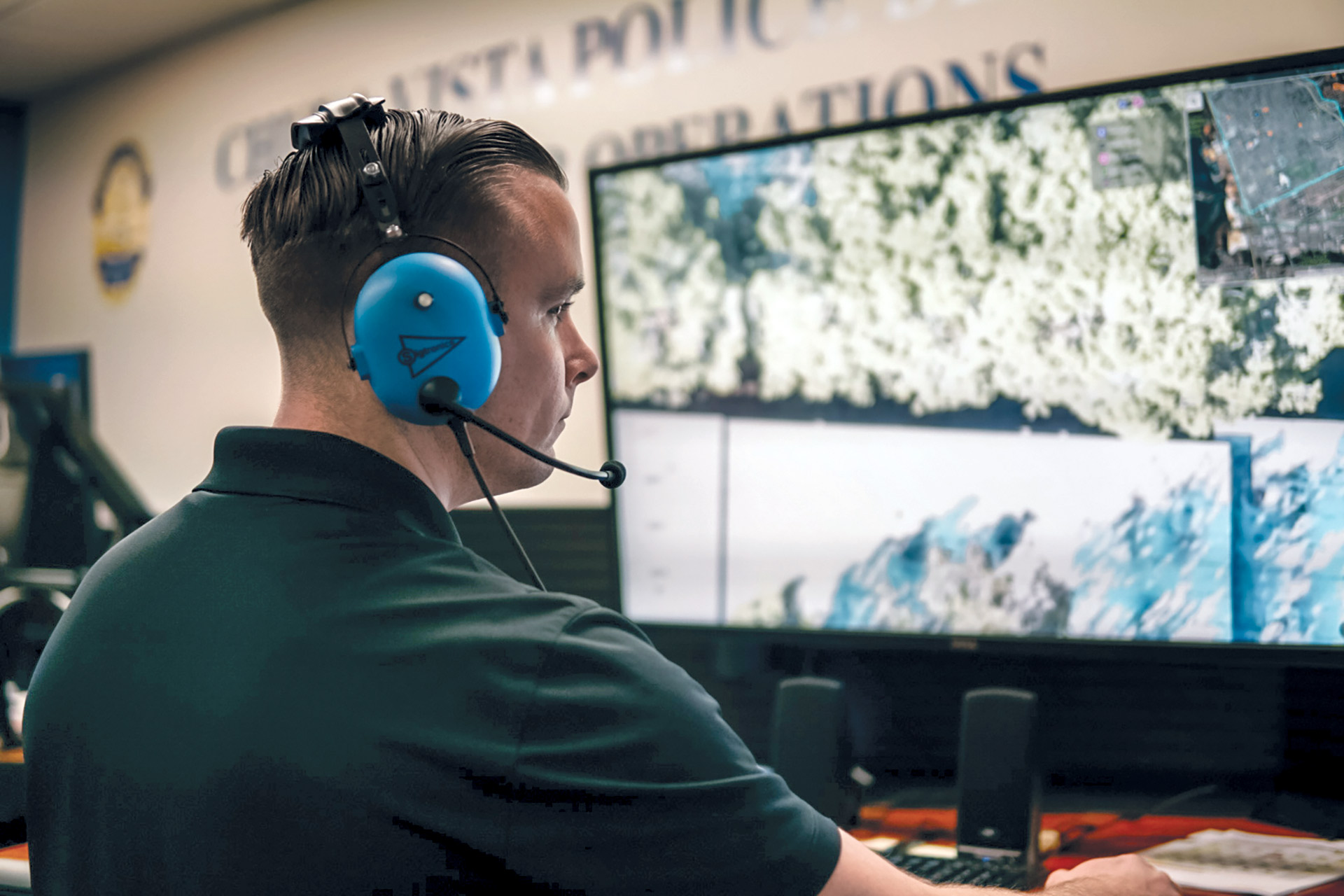
Compounding these challenges, ongoing federal and state-level efforts to restrict or prohibit the use of Chinese-manufactured drones have placed additional emphasis on informed procurement decisions. In December 2025, the Federal Communications Commission (FCC) added all foreign-made unmanned aircraft systems (UAS), commonly known as drones, and their critical components to the Covered List based on a national security determination that such products could pose risks, including surveillance, data harvesting or other threats (see tinyurl.com/FCC-Covered-List). New products and devices on this list cannot receive FCC authorization and are therefore effectively banned from import and sale in the U.S. market.
Agencies must now carefully assess not only platform performance and cost, but also supply chain security, data governance and long-term sustainability when selecting aircraft, software and supporting infrastructure. As a result, thoughtful evaluation and strategic
planning are critical to ensuring DFR programs remain compliant, resilient and operationally effective well into the future.
Adding to this complexity, major retailers like Amazon and Walmart are actively pursuing drone delivery methods, investing heavily in technology and seeking FAA approvals to further integrate into national airspace. While the FAA works to integrate commercial drone delivery, it has proposed the Part 108 regulatory framework to enable advanced commercial drone operations beyond the limits of current Part 107 rules. Part 107 currently governs most small UAS operations today; Part 108 is expected to establish a scalable, performance-based rule set to support more complex missions.
As the anticipated approval of Part 108 approaches, law enforcement agencies face increasing uncertainty driven by FCC Covered List restrictions, continued scrutiny of Chinese-manufactured drones and the limited availability of viable alternative platforms. Together, these factors create significant challenges for the future sustainability and expansion of DFR operations.
While law enforcement operates drones to enhance safety and protect the community, this unfortunately also creates a need to address the malicious intent of non-law-enforcement operators and the nefarious activity these drones can pose to the national airspace. The Department of Homeland Security (DHS) has taken notice by implementing the DHS Program Executive Office for Unmanned Aircraft Systems and Counter-Unmanned Aircraft Systems. This program could potentially invest $115 million in counter-UAS technologies to stay ahead of evolving threats and better support major events coming to the U.S. Some of these high-visibility events include the celebration of America’s 250th anniversary, the 2026 World Cup and the 2028 Summer Olympics in Los Angeles. Counter-UAS operations for events of this scale require extensive organization, equipment, training and exercises. Currently, the biggest expense is mitigation hardware. Equipment used to detect, track and identify can be a massive cost that many agencies simply can’t afford. These upcoming events will be a true test of counter-UAS operations for the foreseeable future.
Despite current uncertainty within the drone industry, meaningful progress continues. Organizations such as DRONERESPONDERS, led by Chief Charles Werner, remain at the forefront of fostering collaboration among public safety agencies, regulators and industry partners to address evolving regulatory frameworks and shifting federal policies. These efforts are helping to ensure that UAS remain a reliable and sustainable capability for public safety operations.
It is my belief that future policy, technology development and regulatory decisions should be prioritized and shaped around the needs of law enforcement and other public safety agencies operating in the UAS space. Law enforcement routinely serves as the first line of response during emergencies, natural disasters and critical incidents, where timely aerial situational awareness can directly impact life or safety outcomes. Drones hold immense potential for public safety, and the future of this ecosystem should ensure they are fully empowered — supporting missions, safeguarding communities and avoiding restrictions that limit their lifesaving impact. The future of DFR is now! Let’s leverage the full potential of technology and innovation to enhance our missions and protect our communities.
About the Author
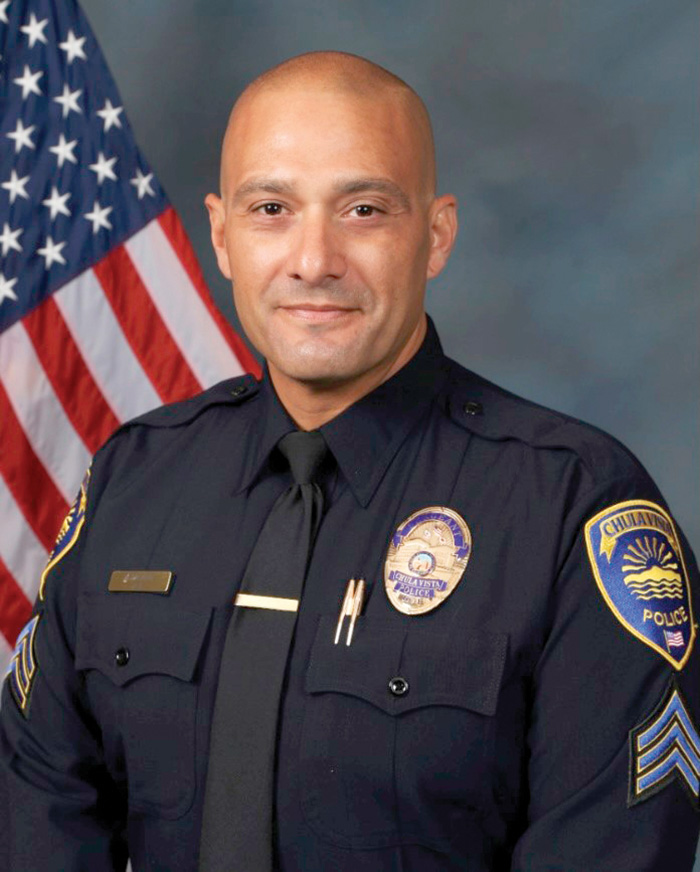
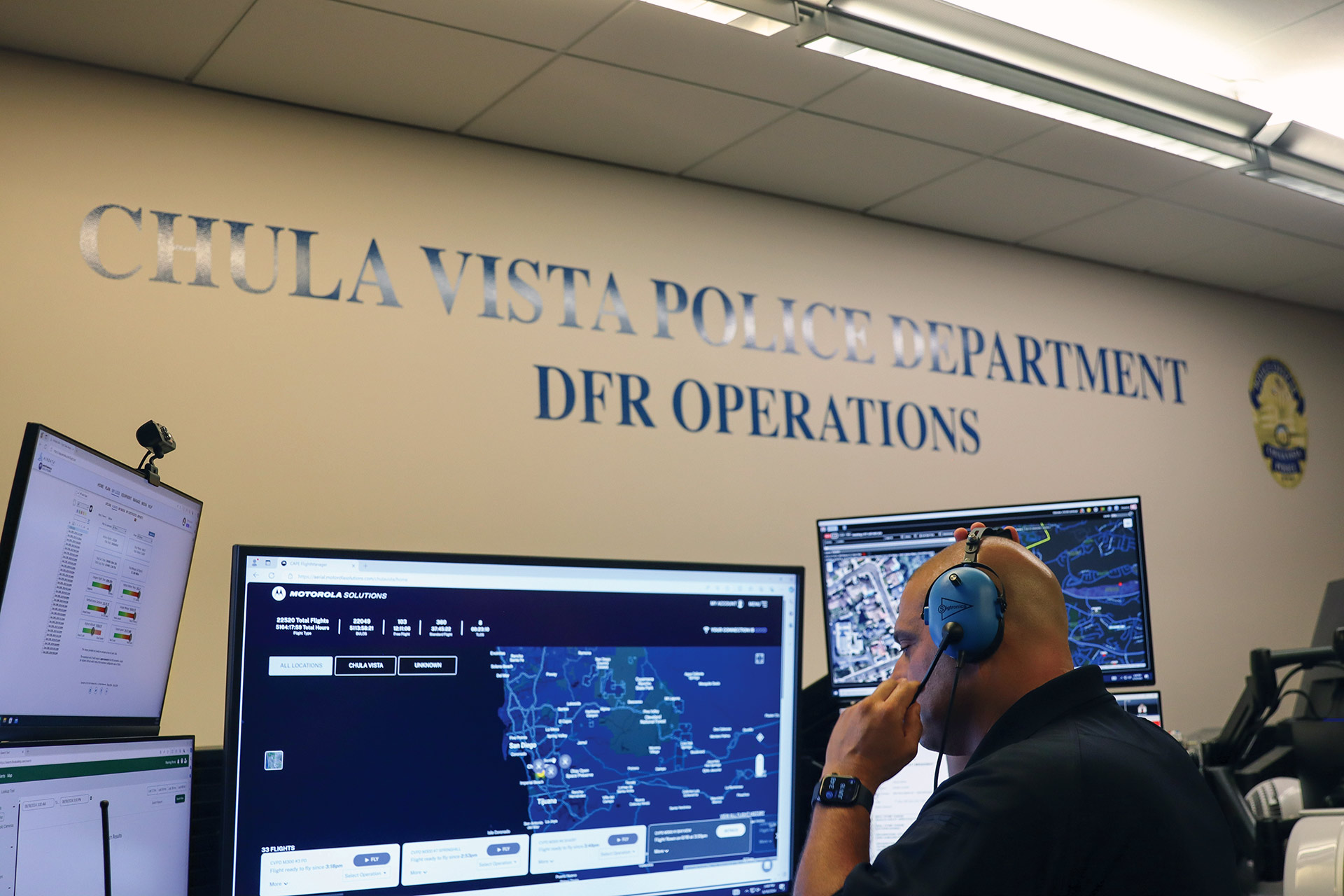
Sergeant Manny Salazar’s career is marked by a diverse range of roles in patrol, investigations and professional standards, reflecting more than 17 years of dedicated law enforcement service. Since joining the Chula Vista Police Department in 2007, he has served in several investigative units, including the Traffic Division, Crimes of Violence/Homicide, Family Protection Unit and Professional Standards Unit. He currently serves as the UAS Team supervisor, overseeing UAS operations and supervising a part-time team of 25 collateral-duty pilots and a full-time team responsible for seven-day-a-week DFR operations covering all 52 square miles of the city of Chula Vista.