
BRIAN R. MARVEL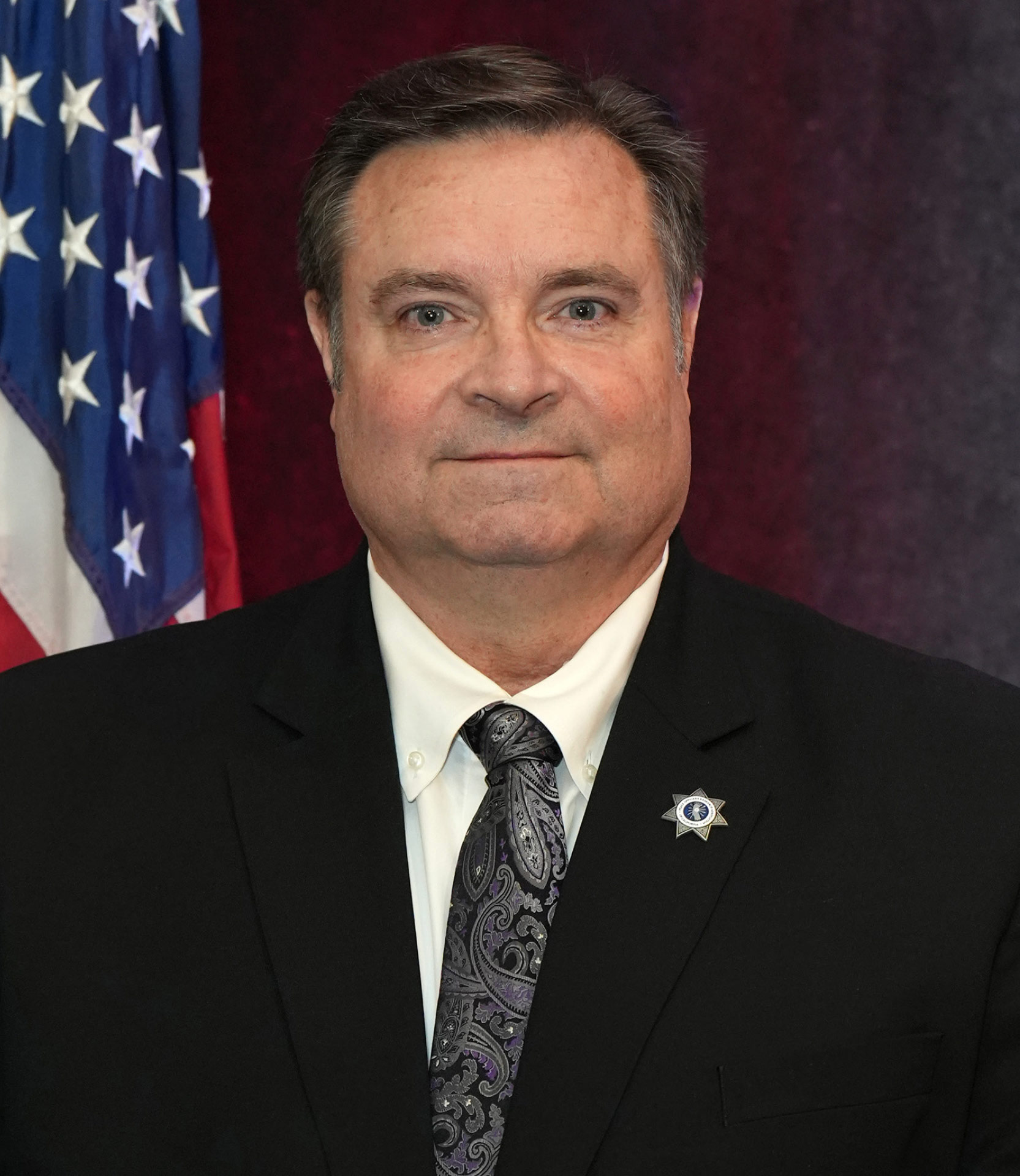
PORAC President
The Tools and the Judgment
Later this month, association leaders from across California will gather in Reno for the 74th annual Conference of Members. The setting will be familiar: the same rooms, the same conversations about contracts, staffing and the practical work of representation. What will be less familiar is the set of questions that now sits on nearly every agenda. Agencies are acquiring drones that launch before officers leave the station. They are testing systems that draft reports from body-worn camera audio. They are considering software that flags video for supervisory review. These tools are no longer experimental. They are arriving as operational choices.
PORAC has already taken a clear position on that arrival. Earlier this year, we published a research brief that examined both the operational value of these systems and the labor and privacy risks that accompany them. We developed model language for meet-and-confer on the use of generative artificial intelligence in connection with body-worn camera footage. We secured amendments to legislation governing AI-assisted reports so that only the version reviewed and signed by the officer becomes the official record. We sponsored a modest transparency measure, AB 2656, that would have required public employers to notify the recognized employee organization before deploying AI to perform work within a represented classification. The Legislature passed it. The governor vetoed it. The underlying obligation did not disappear with the veto.
The obligation is straightforward. Technology that changes how officers respond to calls, how they document their actions or how their performance is measured is a change in working conditions. It belongs at the bargaining table before the purchase order is signed.
Drones as first responders can reach a scene in minutes and give arriving officers information they would not otherwise have. That information can reduce risk. It can also create new expectations about response times, new training burdens and new questions about whether specialized air-support roles will be protected or quietly diminished.
Automated report writing can return hours to the street. Those hours are valuable to the association only if it has already ensured that the time saved will not become an argument for fewer positions, especially during these times when recruitment and retention are creating a public safety crisis.
Systems that review body-worn video for policy violations can surface patterns that human supervisors might miss — or they can hallucinate them. They can also produce findings that lack context, cannot account for resistance or body language, and place officers in the position of defending themselves against conclusions that are inaccurate or do not consider the entirety of the situation.
None of these systems carries judgment. They process data. Judgment remains the work of the officer on scene, the sergeant who reviews the case and the association that insists the distinction be written into policy and contract language. Where that distinction is left to informal practice, it will erode under pressure — pressure to clear calls, pressure to demonstrate efficiency, pressure to adopt what neighboring agencies have already purchased. The remedy is not a general skepticism of technology. It is the ordinary, deliberate work of representation: information demands, training standards, limits on the use of automated outputs in discipline or evaluation, and clear requirements that human review precede any official action.
That work will largely be done association by association. PORAC can supply the research, the model language and the legal analysis needed to ensure that emerging technology is introduced through the meet-and-confer process, and that the protections of the members are carefully considered before any system is placed in service. The Conference is the practical occasion for association leaders to speak with one another, to compare the questions they are already facing and to strengthen the relationships that make that local work possible. The same associations that have protected working conditions through successive generations of equipment changes — radios, computers, body-worn cameras — are equipped to do so again. The difference is speed. These systems are being offered, purchased and deployed on timelines that do not always wait for the next contract cycle, which makes the conversations at Conference and the materials PORAC can place in the hands of association leaders even more necessary.
There is a larger continuity at stake. The public continues to ask that someone answer for the decisions made in its name. That someone has always been the officer who was present, who saw the circumstances and who can explain the choice that followed. Tools that improve the officer’s information or reduce the time spent on documentation can support that accountability. Tools that displace it do not. The line holds because the people who stand on it can still be asked, and can still answer, what they did and why. The systems that arrive this year and next will not change that requirement. They will only test whether associations treat the requirement as non-negotiable while the systems are still being designed and purchased, rather than after they have already been placed in service.
I look forward to the conversations at Conference. The questions are not abstract. They are already on the desks of chiefs and city managers. The answers will be written in the agreements that association leaders carry home.
A Note of Thanks
As we approach the close of another year, I want to take a moment to thank the veterans among us, those who wore the cloth of our nation, before or alongside the badge, for their service. Their example of duty and honor continues to strengthen our profession. May the Thanksgiving that follows give every member and every family the time they need with one another, free of the demands of the job and marked by the ordinary company of those closest to them. And to those who will stand watch during the holiday, know that your service is appreciated and the communities you protect remain in your debt.